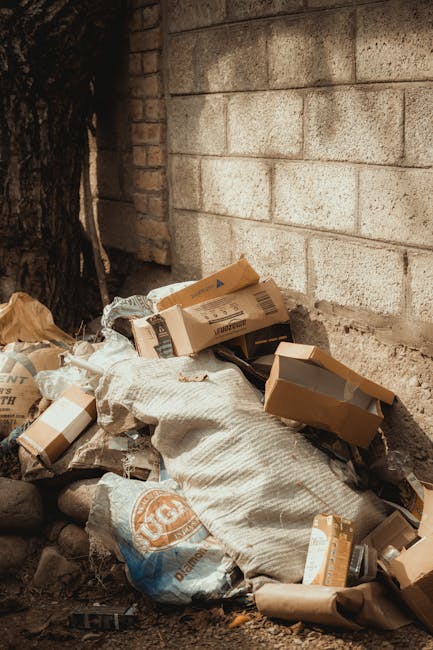
Parsons Green Rubbish Clearance Tips for Homes
If you are trying to clear a home in Parsons Green, you probably want the same three things most people want: less hassle, less mess, and no awkward guesswork about where everything should go. Parsons Green rubbish clearance tips for homes are really about making that process calmer and more efficient, whether you are tackling a single overflowing room, a loft full of forgotten boxes, or a full house tidy-up after a busy season of life.
Let's face it, rubbish builds up quietly. One broken chair, a few flat-pack boxes, an old mattress in the spare room, and suddenly the place feels cramped. The good news is that a good clearance plan can save time, protect your property, and help you avoid the kind of last-minute panic that happens when bags are stacked by the door and the hallway is no longer a hallway.
In this guide, you will find practical advice on how home rubbish clearance works in Parsons Green, what to clear first, how to separate reusable items from true waste, common mistakes to avoid, and when a professional service such as home clearance or house clearance makes more sense. There is also a checklist, a comparison table, and answers to the questions people usually ask when they are staring at a full room and wondering where on earth to begin.
Table of Contents
- Why Parsons Green rubbish clearance tips for homes Matters
- How Parsons Green rubbish clearance tips for homes Works
- Key Benefits and Practical Advantages
- Who This Is For and When It Makes Sense
- Step-by-Step Guidance
- Expert Tips for Better Results
- Common Mistakes to Avoid
- Tools, Resources and Recommendations
- Law, Compliance, Standards, or Best Practice
- Options, Methods, or Comparison Table
- Case Study or Real-World Example
- Practical Checklist
- Conclusion
- Frequently Asked Questions
Why Parsons Green rubbish clearance tips for homes Matters
Homes in Parsons Green can be tight on storage, and that makes clearance planning more important than people often realise. A spare room used as storage for six months can quietly become unusable. A garage can fill up with old paint tins, broken prams, packaging, and bits of furniture you meant to deal with "next weekend". And once clutter starts taking over, the whole house can feel heavier. Not dramatic. Just annoying in a daily, low-level way.
Good rubbish clearance matters because it affects how your home functions. It affects safety too. Boxes stacked too high, sharp waste, heavy items on stairs, and mixed materials in damp spaces can become a problem fast. If you are clearing after decorating, moving, downsizing, or sorting a relative's home, the job also becomes emotional. That is normal. Clearing a home is not always just about waste; sometimes it is about decisions you have delayed because they are a bit uncomfortable.
In a busy London neighbourhood, convenience matters as much as capacity. You may have limited parking, narrow access, shared entrances, or neighbours close by. A practical clearance plan helps reduce disruption and keeps the process manageable. That is especially true if you are dealing with bulky furniture, garden waste, or a loft that has become, well, a mystery box archive from several years ago.
Expert summary: The best home rubbish clearance is not the fastest one in theory; it is the one that keeps your home safe, avoids unnecessary lifts and trips, separates reusable items properly, and gets the waste out without creating another mess in the process.
How Parsons Green rubbish clearance tips for homes Works
At its simplest, home rubbish clearance follows a pattern: sort, separate, remove, and dispose responsibly. The details depend on how much there is, what type of waste it is, and how easy it is to access. A single sofa in a flat is a very different job from a full property clear-out with loft contents, old appliances, and garden cuttings mixed together.
In practice, a good clearance job usually starts with a quick walkthrough. You identify what is staying, what can be donated or reused, what needs special handling, and what is actual rubbish. After that, the waste is loaded, transported, and taken to the appropriate disposal or recycling route. If the team is well organised, you should not have to keep pointing at every item and explaining its life story. A small blessing, honestly.
If you are hiring help, companies often handle more than simple lifting. They may sort materials, separate furniture from general waste, and manage the logistics of removing bulky items without damaging walls, bannisters, or flooring. For situations involving mixed items from multiple rooms, flat clearance or furniture clearance can be a more focused option than a general waste collection. That matters because the method should fit the job, not the other way around.
For homes with larger volumes, a more complete approach through house clearance can be the simplest route. For lighter but still awkward loads, a targeted waste removal service may be enough.
Key Benefits and Practical Advantages
There are plenty of reasons to get home clearance right, and most of them are wonderfully ordinary. More floor space. Less stress. Easier cleaning. Better access to cupboards and corners. But there are also less obvious benefits that make a real difference over time.
- Safer movement through the home: Fewer trip hazards, clearer stairs, and less risk from heavy or awkward items.
- Better use of storage: You can actually find what you need, rather than opening a cupboard and being greeted by a collapse of carrier bags.
- Cleaner rooms: Once the clutter goes, dust and hidden grime are easier to reach.
- Less mental load: A tidy space feels lighter. That sounds obvious, but it is true.
- Faster decorating or moving: If you are painting, renovating, or preparing to move, clearance removes the clutter that slows everything down.
- More responsible disposal: Sorting properly means fewer items go to landfill than necessary.
There is also a practical money angle. If you separate items carefully before a clearance, you may reduce the amount of waste that needs handling as mixed rubbish. That can improve efficiency and make the whole process smoother. You do not need to turn into a sorting machine. Just be a little selective. That alone helps a lot.
For households with a lot of reusable furniture or fittings, the difference between disposal and reuse can be meaningful. A wardrobe or table that is still in usable condition should not be treated the same way as damaged chipboard or broken plasterboard. If you are unsure, it helps to look at the relevant service pages for furniture disposal and the wider recycling and sustainability approach.
Who This Is For and When It Makes Sense
This kind of clearance advice is useful for a wide range of people. In Parsons Green, that often includes homeowners, tenants, landlords, families, and people dealing with a property between occupiers. It also helps if you are downsizing, sorting a loft, or preparing a room for a new use.
You may need it if:
- your home has built up clutter over time and you want a proper reset
- you are clearing out after a move or before a sale
- you have furniture, appliances, or mixed rubbish that will not fit in normal bins
- you are dealing with an inherited property or helping a family member sort theirs
- you have been storing builder's waste, packaging, or leftover materials after a project
- you simply want the place to feel like home again instead of a waiting room for forgotten things
Sometimes the trigger is very practical. A loft hatch jammed by boxes. A garage you can no longer park in. A room that has become half office, half storage, half "I will sort it later." Yes, that adds up to three halves. That is how clutter feels sometimes.
For smaller homes and upper-floor properties, access often makes the difference between a simple clear-out and a frustrating one. If that sounds familiar, a loft clearance or garage clearance may be the more sensible route for that part of the property, rather than trying to force everything into a general tidy-up.
Step-by-Step Guidance
Here is a straightforward way to approach Parsons Green home rubbish clearance without making it more complicated than it needs to be.
1. Walk through the property first
Start with a room-by-room scan. Do not pick things up immediately. Just look. Decide where the biggest problem areas are and what type of waste you are facing. You are looking for volume, access, and item type.
2. Separate items into clear groups
Use simple categories: keep, donate/reuse, recycle, and dispose. If you keep changing your mind, park the item in a "decision later" pile and move on. Do not get stuck over one lamp for twenty minutes. It happens to everyone, but it slows the whole job down.
3. Identify bulky or awkward items early
Bulky waste needs planning. Sofas, wardrobes, mattresses, large cabinets, and garden furniture are often more awkward than they look. Check whether they can be moved without damage and whether they need two people. Heavy items and stairs are not a heroic combination.
4. Clear access routes before moving anything
Make sure hallways, doorways, and landings are free of obstacles. It sounds basic, but it saves time and reduces the risk of scuffed paintwork or chipped corners. Put down floor protection if needed, especially in tight homes or freshly decorated areas.
5. Bag and bundle waste properly
Light rubbish should be bagged securely. Loose items become messy fast. Bundle cardboard flat, tie up small materials, and keep sharp waste separate where possible. Nobody wants a torn bag halfway down the stairs. That is a rubbish day in every sense.
6. Arrange the right disposal route
Once sorted, decide what goes where. Reusable furniture may be better handled separately from mixed rubbish. Decorative waste, DIY leftovers, or heavy debris may need a more specialised service such as builders waste clearance. If the job is mostly household clutter, a standard clearance is usually enough.
7. Finish with a final sweep
Once the main load has gone, do one final pass. Check cupboards, under beds, behind doors, and on shelves. Small items hide in plain sight. You will always find one last charger, one old plant pot, or a random bag of screws. Always.
Expert Tips for Better Results
A few small decisions can make a big difference to the end result. In our experience, the most successful clearances are not necessarily the biggest or the quickest. They are the ones where the homeowner has made just enough preparation to keep things flowing.
- Start with the easiest win: Clearing one visible area first gives you momentum. A cleared hallway or landing makes the whole home feel better straight away.
- Use a simple label system: Even handwritten notes on bags or boxes help. "Recycle", "keep", and "bin" are enough.
- Take photos before you begin: Handy if you need to remember what came from where, especially in larger properties.
- Check for valuables in odd places: Coat pockets, drawers, old storage boxes, and under sofa cushions. It sounds obvious, but people do forget.
- Do not mix wet and dry materials: Wet cardboard, garden clippings, and general waste together create more mess and make handling harder.
- Deal with sentimental items separately: If something has emotional value, do not toss it in with the general pile. Put it aside and come back later.
- Plan around access and neighbours: In a place like Parsons Green, timing matters. Morning noise, shared hallways, and parking can all influence how smooth the day feels.
One more small tip: if you are clearing a room that has been untouched for years, open a window. The air can feel stale and dusty, especially in older storage spaces. Nothing dramatic, just one of those small comforts that makes work less unpleasant.
Common Mistakes to Avoid
The biggest mistake is trying to clear everything in one heroic rush. That usually ends with a sore back, three open bin bags, and a lot of stuff moved from one corner to another. Not ideal.
Here are the ones worth watching for:
- Not sorting before moving: If everything is dragged out at once, the room gets chaotic fast.
- Underestimating volume: A few piles can turn into far more waste than expected once you actually start.
- Forgetting access constraints: Narrow stairs, lifts, and parking restrictions can change the whole plan.
- Mixing furniture with general rubbish: This can make disposal less efficient and can reduce reuse opportunities.
- Ignoring safety: Sharp edges, broken glass, and heavy lifting are not worth rushing.
- Leaving the last 10 percent unfinished: Most rooms look "almost done" before one final tidy reveals the missing bits.
A sneaky one is assuming that everything old is rubbish. Sometimes it is not. Sometimes it is just in the wrong place. A decent clearance mindset keeps that distinction clear and avoids needless disposal. Which, to be fair, is better for your home and usually better for your conscience too.
Tools, Resources and Recommendations
You do not need a warehouse of equipment to clear a home well. A few simple tools will do most of the work.
- heavy-duty bin bags
- label tape or marker pens
- gloves with a good grip
- dust sheets or floor protection
- trolley or sack truck for heavier items
- basic cleaning supplies for the final sweep
- strong boxes for reusable items or sorting
If you are doing a larger job, think about the job in zones. One bag type for light rubbish, one set of boxes for keep/reuse items, and a separate pile for bulky furniture. If you keep materials grouped sensibly, loading becomes much faster.
For households dealing with a mix of items, it can also help to compare a few service types before you book. A straightforward home clearance may suit general clutter, while furniture clearance is better if the main issue is bulky household pieces. If the job is more specific and you only need help with a room, flat clearance can be a strong fit in smaller Parsons Green properties.
If you want to understand how responsible disposal is handled, the recycling and sustainability page is a useful place to look, and for practical service questions, the pricing and quotes page can help set expectations before you book.
Law, Compliance, Standards, or Best Practice
With household rubbish clearance in the UK, the safest approach is to treat waste responsibly and use a service that follows proper handling and disposal practices. You do not need to memorise regulations to make good decisions, but you should expect waste to be managed carefully and lawfully.
In practical terms, that means a few things. Waste should not be fly-tipped. Reusable items should be separated where possible. Hazardous or awkward materials should be treated with extra care. And any company handling your clearance should be clear about how they work, how they protect properties, and how they dispose of waste.
If you are comparing providers, it is sensible to check pages such as insurance and safety, health and safety policy, and terms and conditions. Those do not make the job glamorous, obviously, but they do tell you a lot about how a business works. A little due diligence goes a long way.
For businesses or landlords with recurring clearance needs, a relevant route may be business waste removal. For homes affected by renovation debris, the right option may instead be builders waste clearance. Best practice is really about matching the waste type to the correct handling method.
Options, Methods, or Comparison Table
Here is a simple comparison of common approaches for home clearance in Parsons Green.
| Option | Best for | Pros | Things to watch |
|---|---|---|---|
| DIY clearance | Small, light loads and a few bags | Low upfront cost, full control | Time-consuming, heavy lifting, disposal logistics |
| Partial room clearance | One room, loft section, or garage corner | Focused, manageable, less disruption | Easy to underestimate hidden clutter |
| Furniture-only removal | Sofas, wardrobes, beds, tables | Good for bulky items, simpler sorting | May not suit mixed waste |
| Full home clearance | Whole property or large mixed clear-out | Efficient, coordinated, less stress for the homeowner | Needs proper planning and access |
| Specialist waste removal | Mixed rubbish, odd items, or specific debris | Flexible, practical for unusual loads | Choose the right service type for the material |
There is no single best option for everyone. If you have only two bags and a broken chair, do not overcomplicate it. If you have a loft, a garage, and an old sofa that will not fit through the stairwell without a small battle, the more structured route is usually worth it.
Case Study or Real-World Example
Imagine a typical Parsons Green two-bedroom flat after a long period of "we'll deal with it later". One bedroom has become storage for old luggage, boxes of books, and a disassembled desk. The hall cupboard is crowded with packaging and broken household bits. The living room still looks usable, but the edges are starting to disappear under miscellaneous clutter.
The homeowner begins with the easiest visible area: the hallway. That gives them a bit of room to move. Next, they separate the bulky items from the bagged waste. Books are boxed. Reusable items are kept to one side. Damaged furniture is marked for removal. By the end of the day, the property is not fully empty, but it feels dramatically better because the pressure points have gone.
The real win was not speed. It was clarity. There was less indecision, fewer false starts, and no frantic pile-up in the middle of the living room. The flat became navigable again. You could hear your own footsteps on the floorboards. That tiny detail matters more than people think.
In jobs like this, a structured approach backed by the right service can make the difference between "eventually sorted" and "done properly".
Practical Checklist
Use this checklist before you start a home rubbish clearance in Parsons Green:
- decide which rooms or areas are being cleared
- separate keep, donate, recycle, and dispose items
- check access routes, stairs, and parking conditions
- set aside any hazardous, sharp, or awkward items
- gather bags, boxes, gloves, and labels
- protect floors and walls where needed
- remove obvious valuables and sentimental items first
- keep bulky furniture separate from mixed rubbish
- confirm the right clearance type for the job
- do a final sweep for hidden items before finishing
If you can tick off most of those points, the clearance is likely to feel much smoother. Not perfect. Just sensible. And honestly, sensible wins most days.
Conclusion
Parsons Green rubbish clearance tips for homes are really about making a demanding job feel manageable. Start small, sort carefully, keep access clear, and choose the right method for the waste in front of you. That combination gives you far better results than rushing in with a dozen bin bags and a vague hope that it will sort itself out.
Whether you are clearing a single room, a loft full of boxes, or an entire property, the goal is the same: make the home safer, lighter, and easier to live in. If you need help choosing the right service, it is worth comparing options like home clearance, house clearance, and waste removal so the job fits your home rather than fighting against it.
If you are ready to clear space and want a straightforward next step, speak to a specialist team, ask sensible questions, and choose a plan that suits your property, your timeline, and your peace of mind.
Get a free quote today and see how much you can save.
Frequently Asked Questions
What is the best way to start rubbish clearance at home in Parsons Green?
Start with a room-by-room walk-through and separate items into keep, recycle, donate, and dispose piles. A clear plan at the beginning makes the rest far less stressful.
Do I need a full house clearance or just a waste removal service?
It depends on the volume and type of items. A full house clearance suits larger, mixed jobs, while waste removal may be enough for lighter or more specific loads.
How do I deal with bulky furniture I cannot move myself?
Bulky pieces are usually best handled separately from bagged rubbish. Services such as furniture disposal or furniture clearance are often the practical option.
Is it better to sort items before the clearance team arrives?
Yes, if you can. Even basic sorting saves time and helps separate reusable items from general rubbish. You do not need to do everything, but a little preparation helps a lot.
What happens to items that can still be reused?
Reusable items are ideally separated before disposal so they can be handled appropriately. For many households, this is one of the easiest ways to avoid wasting good furniture or household items.
Can I clear a loft or garage as part of a home rubbish clearance?
Yes. In fact, lofts and garages are often the places where clutter accumulates most. Dedicated options such as loft clearance and garage clearance can be especially useful.
How do I keep the clearance safe in a narrow Parsons Green property?
Keep access paths clear, protect floors, and avoid overloading bags or boxes. Narrow stairs and tight hallways need a slower, more careful approach, not a rushed one.
What if my rubbish includes items from decorating or repairs?
That may be better suited to builders waste clearance, depending on the materials. Mixed renovation debris is often different from ordinary household clutter.
How can I check a company is professional and trustworthy?
Look for clear information on about us, insurance and safety, and terms and conditions. Transparent businesses usually make these details easy to find.
Will rubbish clearance damage my home?
It should not, if the job is handled carefully. Good teams protect floors and walls, use the right lifting methods, and pay attention around stairs, corners, and door frames.
What should I do with items I am unsure about?
Set them aside in a separate "decision later" area. That stops one uncertain item from slowing the whole process. A bit of breathing room helps you decide properly.
How do I find out about pricing before booking?
The best step is to review the service information and request a quote through the provider's booking or pricing process. For a general overview, see pricing and quotes.
For extra peace of mind, you may also want to review the company's recycling and sustainability approach and its health and safety policy before making a final choice.