Fulham House Clearance — Recycling and Sustainability
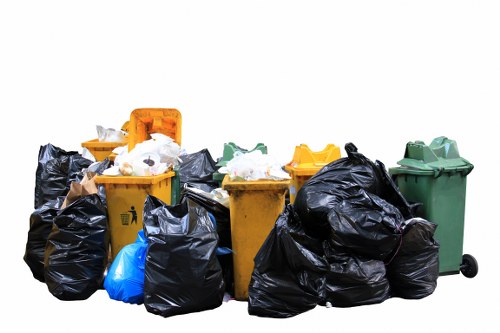 Fulham House Clearance is committed to an eco-friendly waste disposal area approach that puts sustainable rubbish disposal at the heart of every job. Our sustainable rubbish area policy is designed to reduce landfill, maximise reuse and increase recycling rates across Fulham and neighbouring boroughs. We work with local systems and national partners to make sure items recovered during house clearances are handled in the most environmentally responsible way.
We set a clear recycling percentage target for our operations: a minimum 70% recycling and reuse rate on standard clearances, with a long-term goal to reach 85% as reuse networks expand. That target covers materials diverted to reuse, recycling streams and low-energy processing options rather than landfill. Our team tracks tonnages and types of waste to improve diversion rates and report transparently on outcomes for every project.
 Our local knowledge includes practical coordination with borough collection policies — for example, the Hammersmith & Fulham approach to waste separation, which emphasises dry recycling, food waste and glass segregation at source. Where council collections are insufficient for certain bulky items, we transport materials to authorised transfer stations and reuse centres rather than sending them to landfill, ensuring compliance with local regulations and environmental standards.
Local transfer stations and responsible routing
We make frequent use of licensed local transfer stations and West London reuse hubs to process materials efficiently. By routing waste through authorised facilities in Hammersmith & Fulham and neighbouring boroughs we reduce double-handling, cut journey time and lower emissions. Our logistics team plans routes to consolidate loads and avoid unnecessary trips — an important part of creating a true eco-friendly waste disposal area in Fulham.Partnerships with charities and reuse groups
We maintain active relationships with charity partners and community organisations to maximise reuse. Items in good condition — furniture, working appliances, clothing and household goods — are offered to local charities, furniture banks and social enterprise reuse projects. Examples include national and local charities that operate resale shops, community reuse centres and homelessness support programmes, which ensures items uplifted in Fulham find new homes rather than being recycled or landfilled.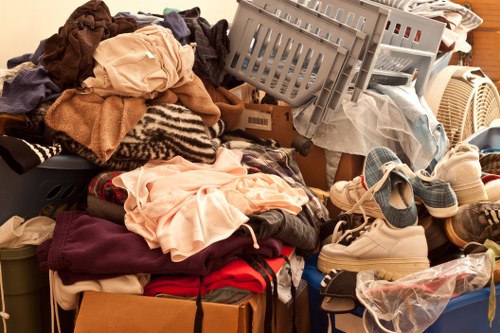 When items can be repaired, refurbished or redistributed, we prefer to channel them through these networks. Our staff are trained to identify reuse opportunities on site and separate those items at source, improving the efficiency of transfers to donation partners and lowering processing costs and carbon impacts associated with mechanical recycling.
Low-carbon vans and greener transport
Our fleet strategy is built around low-emission vehicles. We use a mix of electric vans, hybrids and Euro 6 low-emission diesel vehicles where electric options are not yet viable for larger loads. The use of low-carbon vans reduces tailpipe emissions during service calls in Fulham and neighbouring areas, supporting cleaner air and a reduced operational footprint for our clearance services.Operational measures include route optimisation software, consolidated bookings to reduce empty runs, and regular vehicle maintenance to preserve fuel efficiency. These steps combine to make our Fulham clearance work not just about clearing space, but about sustainable rubbish area management that minimises environmental harm.
 Below are some of the sustainable practices we apply consistently:
- Source separation on-site for dry recyclables, glass, textiles and food waste where possible.
- Donation-first policy for reusable furniture and household items, channelled to charities and social enterprises.
- Certified transfer routing to local authorised transfer stations and reuse centres across West London.
- Low-carbon transport including electric vans and consolidation strategies to reduce emissions.
- Material auditing and reporting against our recycling percentage target to drive continuous improvement.
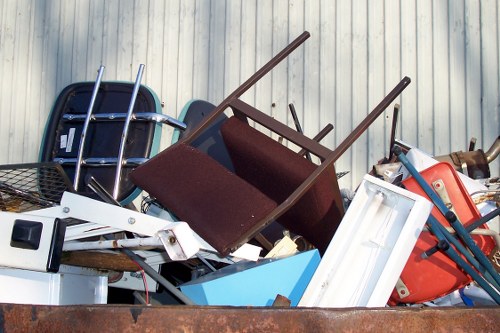
How this benefits Fulham and neighbouring boroughs
These practices support the local circular economy: more goods are reused, fewer materials enter landfill, and communities gain from donations and affordable refurbished goods. Aligning with the boroughs' emphasis on separation of waste streams — including food waste collections and dry recycling — we help residents and landlords meet council expectations and contribute to local sustainability goals.Fulham House Clearance promotes transparency: we provide clear records on the proportion of items diverted from landfill and the destinations of donated goods. This is an essential part of building trust with clients who want responsible, eco-conscious clearance services in Fulham.
Our commitment to an eco-friendly waste disposal area and an effective sustainable rubbish area system means every clearance delivers social and environmental value: fewer emissions from low-carbon vans, more items reused through charity partnerships, and higher recycling percentages thanks to responsible routing through local transfer stations. We continually refine our processes to meet and exceed our targets, ensuring sustainable house clearances are the norm in Fulham and beyond.